
apprentice-news
wellbeing
What is Exam Anxiety? – and How to Combat it!
What is Exam Anxiety?
Pretty much everyone gets nervous before an exam, with the
academic pressure of doing well and feeling like maybe you could have squeezed
in a little bit more revision. Feeling stressed before exams can actually
increase your performance during exams as it helps to keep yourself alert
during them.
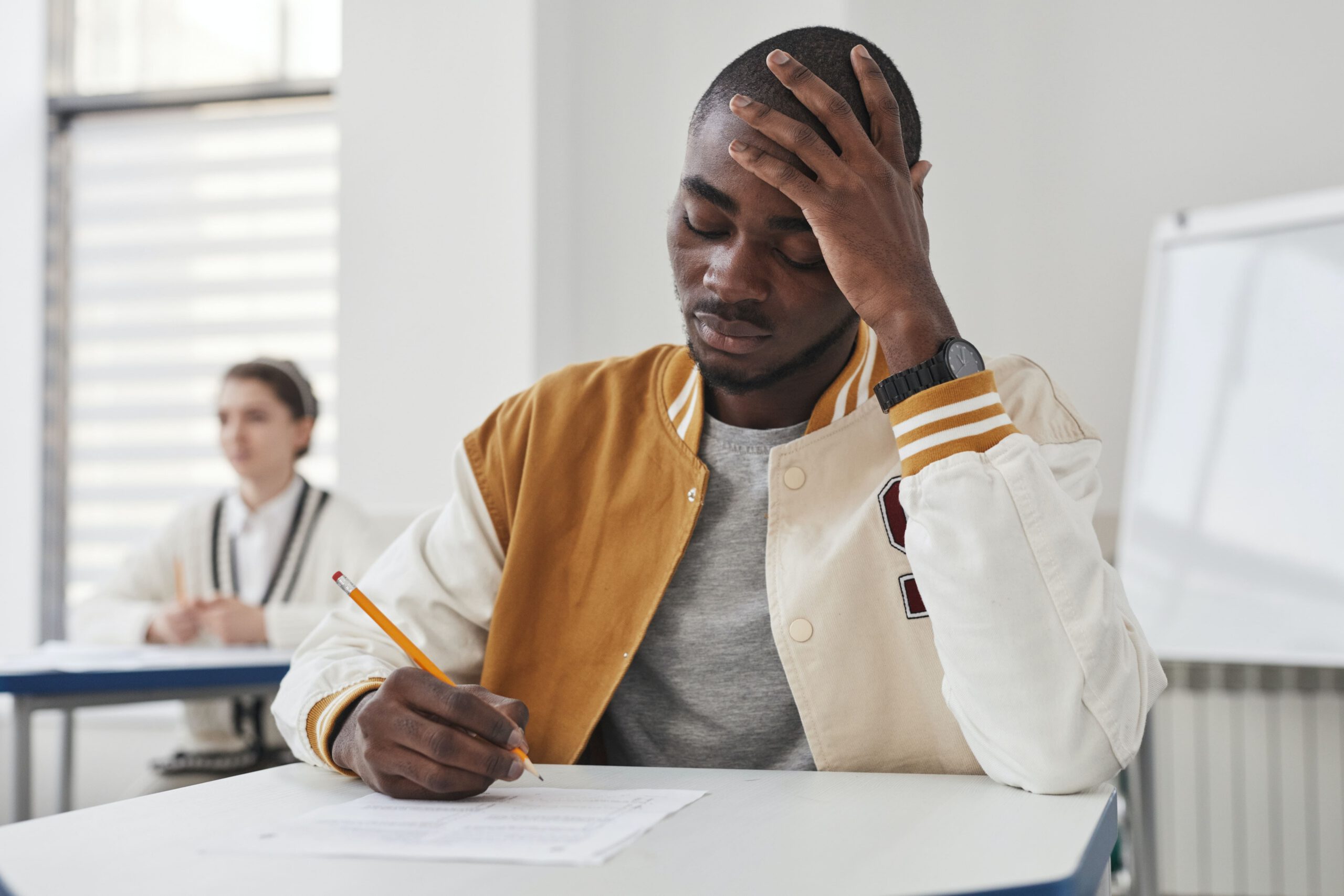
However, Exam Anxiety, is when the stress and anxious
feelings actually interfere with your performance during exams. It may mean you
have difficulty focusing or struggle to perform well during them –
feeling like you are not smart enough and underestimating yourself. It’s when
your nerves get out of hand, causing you to think “I can’t do this” or even
skip exams in fear of under achieving.
So, what are the underlying causes of exam anxiety?
- Low performance in past exams
- Lack of revision
- Fear of failing
- Lack of sleep
- And more
How can we overcome this feeling of dread?
Exam anxiety is not something you can just overcome; you
will always get jitters. However, you can minimize its effects on your
confidence and performance going into to your exams
Start Preparation early.
The more prepared you feel going into an exam the less
stress and anxiety you will feel, some revision techniques you could try:
- Mock papers – Find some past papers and practise.
- Mind maps – These can be good for those who
learn visually, they are my personal favourite! I like reading things that look
pretty… - Flash cards – Great for remembering things like
formulas. - Post-it Notes – Something one of my teachers
told me in school was if you put post-it notes around the house you will learn
it naturally, can be especially helpful when learning a new language. You could
also try putting them on the back of the toilet door, because what else are you
going to read? - A mixture of them all – Mixing it up, keeps your
brain stimulated!
Relax!
I know, easier said than done. But once you start learning
relaxation techniques and can really control your feelings of anxiety, it will
get easier. Here are some great stress alleviation techniques:
- Healthy diet – Keeping a healthy diet not only
improves your physical health but can also improve your mental wellbeing.
Keeping a balanced diet doesn’t just mean to cut out sugary foods, but to eat
them in moderation with all the other food groups. It’s a common misconception
to believe that cutting out “unhealthy” food such as chocolate will improve
your health, but that is not always the case. Did you know Dark chocolate can
regulate the levels of cortisol (the stress hormone) and stabilize your
metabolism?! - Exercise – Exercise can reduce the intensity of
how you’re feeling. By reducing this it allows you to deal with your emotions
in a calmer manner. Exercise releases endorphins which help you to maintain a
positive attitude. - Positive self-talk – Sell yourself, to yourself!
Try reading into some positive affirmations to say to yourself every day. They
are shown to strengthen self-worth by boosting both your
positive opinion of yourself and your confidence in your ability to achieve
your goals. - Muscle Relaxation – Stress can make your muscles
tense. Try tensing your muscles holding for 15 seconds then release the
tension. Continue to do this until your muscles feel relaxed.
Be Organised
The best way to reduce stress is feeling like you have
everything under control, show up early to your exam to look over your notes
one last time. Start revision early (less stress to cram everything in a small
amount of time). Set up a calendar so you know when all your exams are – it
will give you a better sense of what you need to focus on in order to be
prepared.
Keep in touch
- Follow our Instagram
for more tips
and tricks on creating your own happiness, and relaxation. - Follow our LinkedIn for business
updates - Follow our TikTok!